
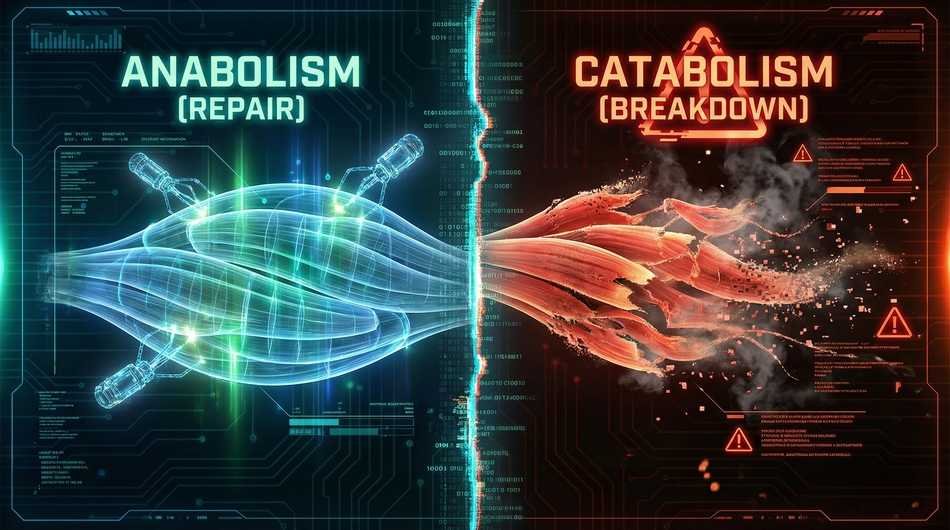
Muscle Catabolism: The Biological Glitch That Breaks Muscle & Kills Longevity

We may earn a commission if you buy through our links. This helps support our research.
Ever feel like you’re doing everything right at the gym, yet the mirror isn’t reflecting the effort? It’s not just your imagination; it might be a hormonal hijack. Muscle Catabolism—the process where your body literally cannibalizes its own tissue for energy—is a normal biological function that has gone rogue in the modern, high-stress world.
Real talk: Your body doesn’t care about your aesthetics. It cares about survival. When catabolism outweighs anabolic repair, you aren’t just losing muscle; you’re losing your metabolic engine and biological longevity. Understanding what breaks muscle is essential for anyone looking to stay lean and functional past 35.

Decoding the Glitch: What Breaks Muscle at a Cellular Level
At its core, muscle catabolism is a breakdown of complex protein structures into simpler amino acids. While this sounds efficient for a body in “survival mode,” it’s a disaster for someone trying to build or maintain mass. “Biological noise”—in the form of oxidative stress and inflammatory signaling—accelerates this breakdown faster than your repair mechanisms can keep up.
In practical terms, this happens when your Net Protein Balance goes negative. If your muscle protein breakdown (MPB) exceeds muscle protein synthesis (MPS) for more than a few hours, the “cannibal” takes over. The goal isn’t to reach “zero catabolism”—an impossible feat—but to ensure the anabolic repair signals are loud enough to drown out the breakdown noise.
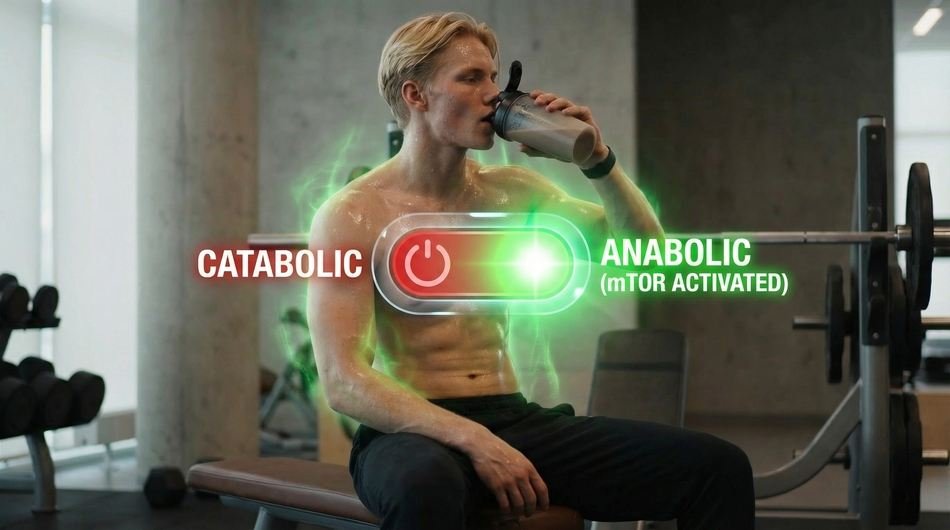
Muscle Catabolism vs. Anabolism: The Switch
Think of your metabolism as a light switch. On one side, you have Anabolism (building and repair); on the other, Catabolism (tearing down). In a healthy system, this switch flips back and forth naturally.
Short-term catabolic stress, like a heavy squat session, is actually the “hack” that triggers growth—provided you recover. Chronic catabolism, however, is like leaving the breakdown switch taped in the “on” position. Longevity isn’t about avoiding stress; it’s about having the biological infrastructure to flip the switch back to “Anabolism” effectively.
The 4 Causes of Muscle Catabolism (The Horsemen)
Muscle loss is rarely the fault of one bad habit. Instead, it’s a “cascade of failures” when multiple stressors accumulate. Specifically, these four factors are the primary drivers of the biological glitch:
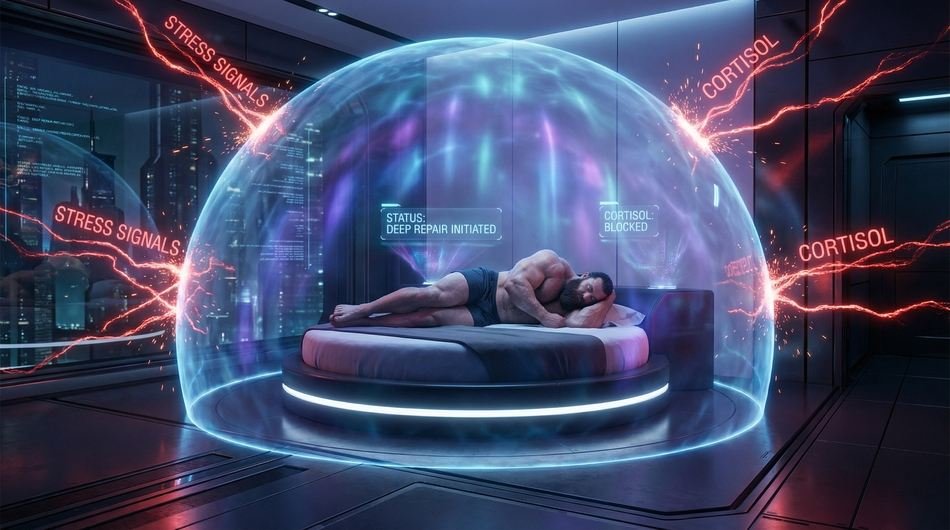
- Chronic Cortisol & Sleep Deprivation: Sleep isn’t just “rest”; it’s your primary anabolic window. Missing even two hours of sleep can spike cortisol, which acts as a master signal for muscle protein breakdown.
- The Recovery Gap: Training is a catabolic stimulus. If you don’t allow for Supercompensation, your body stays in a state of high-alert breakdown, literally eating muscle to fuel the next “emergency” (your workout).
- Energy Debt: Aggressive calorie deficits force the body to look for alternative fuel. Muscle is metabolic “expensive” tissue; your body is happy to burn it off if it thinks there’s a famine.
- Low Leucine Distribution: It’s not just total protein; it’s the signal strength. If you aren’t hitting the “leucine threshold” (2.5g – 3g) in your meals, you aren’t actually triggering the mTOR pathway. You’re just snacking.
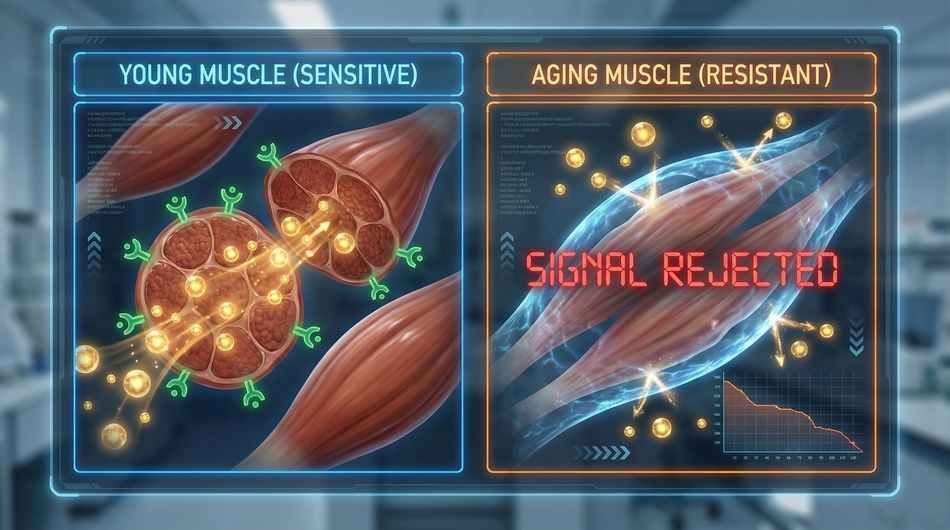
The Aging Glitch: Anabolic Resistance
From age 40, your physiology shifts. This is often called “Anabolic Resistance.” Your muscle cells become less responsive to the nutrients and training that used to keep you fit. The “volume” on your anabolic signals gets turned down, while the inflammatory “background noise” gets louder.
Hormonal declines (lower testosterone, higher systemic inflammation) mean the habits that worked at 25 are obsolete at 50. To fight this, you need a cleaner, more aggressive protocol to force the body back into an anabolic state. It’s no longer about “staying active”—it’s about structured biological intervention.
The “Anti-Cannibal” Protocol
- Trigger mTOR: Aim for 30-40g of high-quality protein (like grass-fed whey) at breakfast to break the overnight catabolic cycle.
- Bio-available Recovery: Ensure 7-8 hours of sleep to manage cortisol-driven catabolic pressure.
- Intra-Workout Fuel: Use carbohydrates or EAAs during intense sessions to provide a “buffer” for energy demands and spare muscle tissue.
- Heavy Resistance: High-tension training is the strongest “anti-catabolic” signal you can send to your nervous system.
Supplements to Stop Muscle Catabolism
While Supplements can help reduce the net loss of tissue, they aren’t magic pills. They only support a system where the basics of sleep and training are already locked in. Here is the hierarchy of support:
Whey Protein Isolate
The Hack: Whey has the highest biological value and leucine content, making it the most efficient way to “hit the switch” for muscle repair. The Catch: Over-reliance on shakes at the expense of whole foods can lead to “lazy digestion” and poor micronutrient intake.

Gold Standard 100% Isolate Whey Protein powder
- Helps build and maintain muscle
- Supports recovery
- 100% of protein from whey protein isolate
Creatine Monohydrate
Creatine doesn’t block catabolism directly; it increases Cellular Energy Availability. By saturating your muscles with phosphocreatine, you increase your tolerance for volume, which indirectly results in a stronger anabolic signal over time.
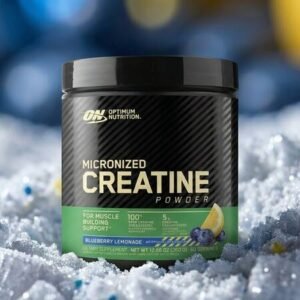
Creatine Monohydrate Powder
- Supports muscle strength
- Muscle recovery and helps support ATP recycling
- Supports explosive movements
Omega-3s & Magnesium
These are your Signal Cleansers. Omega-3s reduce the inflammatory “noise” that prevents muscle cells from hearing repair signals, while Magnesium lowers the cortisol “static” that keeps you in a catabolic state.
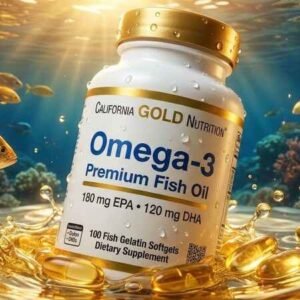
Omega-3 Premium Fish Oil
- Maintaining an optimal lipid profile.
- Reduced risk of cardiovascular disease
- Brain and support of overall immune health.
Executive Summary: Hacking the Biological Block
Muscle catabolism: what breaks muscle most aggressively isn’t training—it’s the absence of recovery. To preserve your lean mass, you must flip the switch from “Bio-hazard” to “Bio-available.” Prioritize high-tension training, consume at least 30g of protein per meal, and protect your sleep like your metabolic life depends on it. Because it does.
FAQ
What is muscle catabolism?
It is the biological process where your body breaks down muscle tissue to use as fuel during stress or energy deficits.
What triggers muscle loss?
Chronic stress (high cortisol), sleep deprivation (<6 hours), low protein intake, and excessive cardio without fueling.
How do I stop catabolism?
Prioritize 7+ hours of sleep, eat at least 30g of protein (2.5g Leucine) per meal, and lift heavy weights to signal repair.
What are the best supplements to stop it?
Whey Isolate (fast absorption), Creatine (cellular energy), and Magnesium (lowers cortisol).
Scientific References & Evidence