
The Magnesium Trap: Why Your Supplement Is Likely “Cellular Noise” (and How to Fix It)

We may earn a commission if you buy through our links. This helps support our research.
Waking up at 3 AM with a leg cramp? You need to compare Magnesium Glycinate vs Citrate to fix your biological signal. If you are “wired but tired” despite a clean diet, simply popping a drugstore pill isn’t enough. Most supplements are just “Cellular Noise”—inorganic salts that your body treats as an invader. Here is the science-backed protocol to choose the right form for your system.

Magnesium Glycinate vs Citrate: The Bio-availability Signal
Not all magnesium is created equal. Research confirms that organic salts have significantly higher bio-availability. When comparing Magnesium Glycinate vs Citrate, the main difference is the target system.
- Magnesium Glycinate: The “Chill Pill.” Bound to glycine, it crosses the blood-brain barrier to calm the nervous system. Best for anxiety and sleep.
- Magnesium Citrate: The “Workhorse.” Excellent for mandatory muscle recovery, but draws water into the colon (watch your dosage).
The Metabolic Connection: Why Your Hunger Is “Noisy”
Selecting the right magnesium isn’t just about sleep; it’s a critical “Switch” for your hormonal health. Chronic deficiency is a primary driver of the systemic inflammation that causes Leptin Resistance.
When you lack the “Magnesium Signal,” your insulin receptors go deaf. This breaks your “Hunger Thermostat,” forcing you to store fat. Optimizing your nutrition starts with fixing this mineral balance.

Top-Tier Protocols: Our Magnesium Recommendations
Option A: The Performance Stack (Citrate)
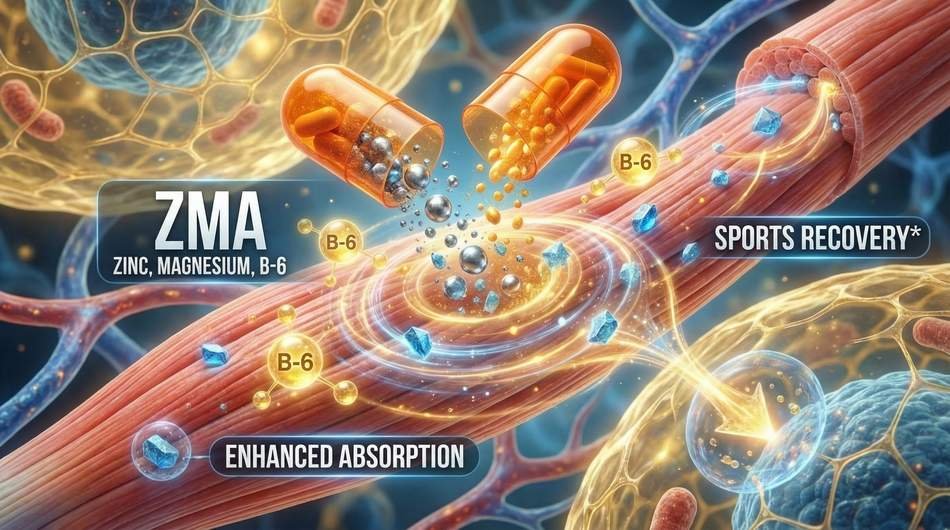
- Product: MyProtein ZMA (Zinc & Magnesium)
- Best For: Intra-workout, muscle cramps, and physical recovery.
- The Protocol: Take 150mg post-training to repair the signal.

ZMA (Zinc, Magnesium and Vitamin B-6)
Option B: The Sleep Stack (Glycinate)
- Product: Pure Encapsulations Glycinate
- Best For: “Wired but tired” profiles, insomnia, and CNS repair.
- The Protocol: Take 200-300mg 30 minutes before bed.

Magnesium Glycinate
The Examine Integrity Check: “It Works, BUT…”
The Truth: Magnesium works for bridging a nutritional gap, BUT you cannot out-supplement a diet of processed “noise.” Leafy greens and seeds provide the Vitamin B6 co-factors needed to actually open the cell door. Without them, the mineral just floats in your blood.
FAQ: Magnesium Glycinate vs Citrate Protocols
When is the best time to take Magnesium?
It depends on your signal. Take Magnesium Glycinate 30-60 minutes before bed to lower cortisol and improve sleep latency. Take Magnesium Citrate immediately post-workout to replenish electrolytes and prevent cramping
Can I take Magnesium on an empty stomach?
Yes, but organic salts (Glycinate) are generally better tolerated. If you are taking Citrate, ensure you have eaten recently, as it can stimulate digestion rapidly (the “GI Throttle”).
How long does it take to fix a Magnesium deficiency?
Biological repairs take time. While you may feel the “Sleep Signal” (relaxation) within 45 minutes of the first dose, correcting a chronic deficiency and fixing Leptin Resistance typically requires 4-6 weeks of consistent supplementation.
Why can't I just eat more almonds and spinach?
You should, but modern soil depletion means food contains less magnesium than it did 50 years ago. Food provides the co-factors, but supplements build the bridge to reach optimal blood levels.
Scientific References & Evidence